UFC Weigh-In Results and Betting Odds Impact
 Available in US
I have lost count of the number of times a weigh-in has told me more about an upcoming fight than any stat sheet ever could. A fighter walks up to the scale looking gaunt, hollow-eyed, visibly drained — and yet the odds barely move. The casual bettor shrugs it off. The sharp bettor pays very close attention.
If you are wagering on UFC fights without checking weigh-in results, you are leaving free information on the table. Weight cuts are one of the most under-appreciated variables in MMA handicapping, and for UK punters who know where to look, they can reveal genuine edges that bookmakers are slow to price in.
UFC fighters currently receive roughly 15–18% of the organisation’s total revenue — a fraction compared to the 48–50% players earn in the NBA, NFL, or NHL through collective bargaining agreements. That financial pressure means many fighters compete at the lowest weight class they can physically reach, pushing their bodies through brutal dehydration protocols that directly affect performance. Understanding this dynamic is not optional for serious bettors — it is essential.
A brutal weight cut can completely drain a fighter, which is why applying weight class specific betting strategies is crucial for lighter divisions.
UFC Weight Cutting Process and Physical Toll on Fighters
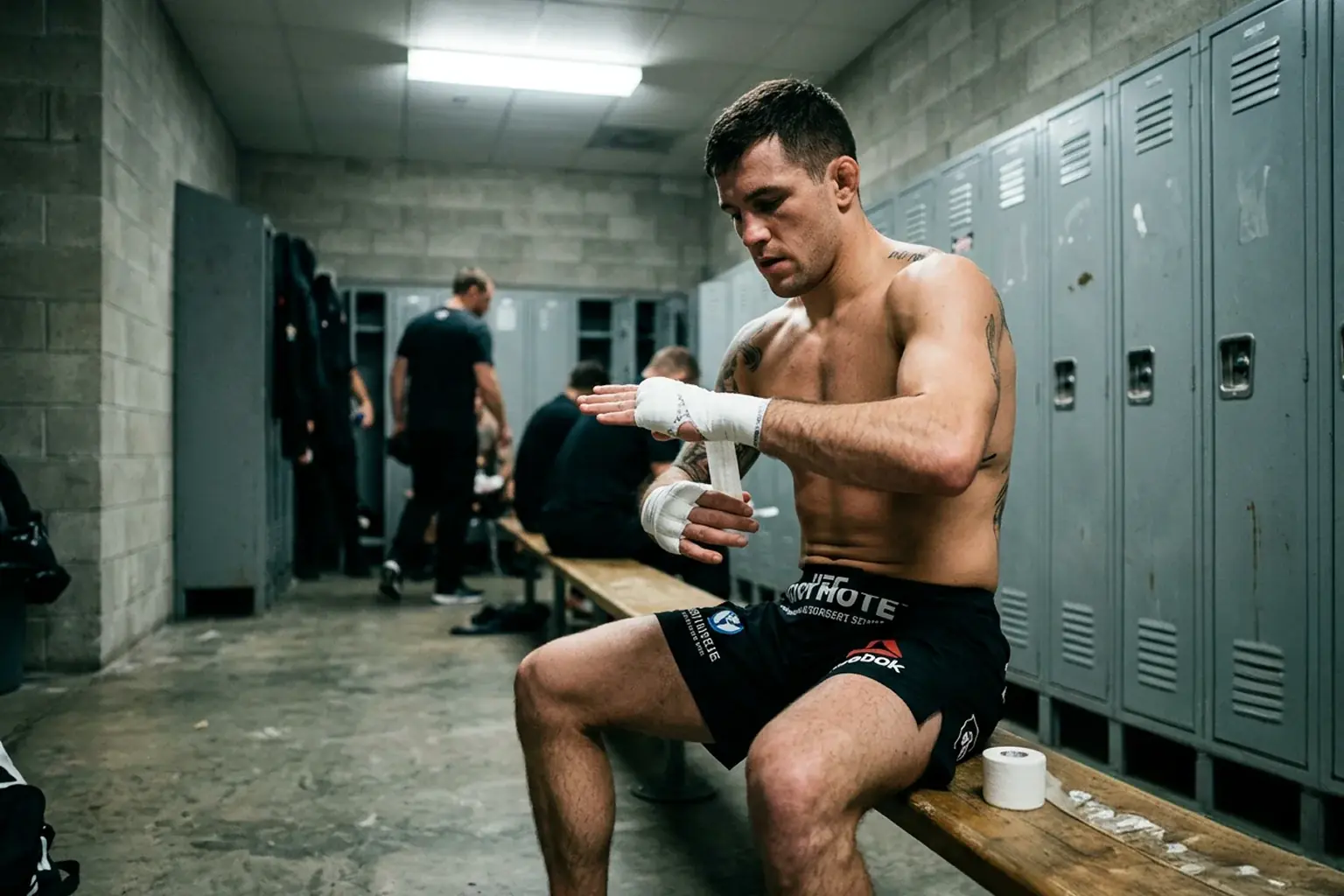
The phrase “weight cut” gets thrown around casually, but the process itself is anything but casual. Most UFC fighters walk around at a natural weight significantly above their contracted division limit. A welterweight who competes at 170 pounds might sit at 190 or even 195 between camps. The goal is to shed that surplus in the final week before the fight, primarily through water manipulation.
The process typically begins with a water-loading phase early in fight week. Fighters drink enormous quantities — sometimes eight litres a day — to trick the body into flushing fluid at a high rate. Then, roughly 24 to 36 hours before the weigh-in, they cut water intake almost entirely. The body keeps flushing fluid it is no longer replacing. Hot baths, saunas, and sweat suits accelerate the process. Some fighters lose six to eight kilograms of water weight in those final hours.
After making weight, they have roughly 24 hours to rehydrate before stepping into the octagon. Most fighters regain much of what they lost, but the quality of that recovery varies enormously. A fighter who cuts three kilograms has a very different fight-night experience from one who drained seven. The difference shows up in endurance, chin durability, reaction speed, and power output — particularly in later rounds.
Fighters who cut too aggressively often describe feeling sluggish even after rehydration. Their legs feel heavy, their cardio fades earlier, and their ability to absorb shots declines. For bettors, this creates a tangible, observable variable that can shift the probability of outcomes in ways the pre-cut odds may not reflect.
Missed Weight Patterns and What They Signal
When a fighter steps on the scale and comes in above the limit, the betting market does react — but often not enough. Missed weight is the most visible indicator that something went wrong during camp, whether it was a poor nutritional protocol, an injury that limited training, or simply competing in a division that no longer suits the fighter’s body.
The frequency of missed weights has increased alongside the sport’s growth. The UFC now runs between 180 and 200 major MMA events per year globally, which means more fighters cutting more frequently, with shorter turnaround times between bouts. That schedule intensity compounds the physical toll. A fighter coming off a difficult cut just eight weeks earlier is statistically more likely to struggle at the scale again.
Not all missed weights carry the same implications. A fighter who comes in half a pound over after a full camp has a very different situation from one who misses by three pounds following a short-notice replacement. The first scenario suggests a minor miscalculation. The second suggests a fighter who was never truly at fighting weight for this division. The betting adjustment should differ accordingly.
Repeat offenders deserve extra scrutiny. Fighters who have missed weight more than once in their recent career are telling you something about their relationship with the division. The pattern tends to worsen, not improve, and the performance consequences accumulate. Track these fighters carefully — when they miss weight yet again, the market correction is often larger than the first time, but still frequently underpriced relative to the actual performance impact.
How the Odds React to Weigh-In News
In a perfect market, odds would adjust instantly and accurately when weigh-in results reveal meaningful information. In reality, the adjustment is usually delayed and incomplete — which is precisely where the opportunity lives for attentive punters.
The typical pattern goes like this: weigh-in results are published, a fighter looks visibly drained or misses weight entirely, and the line shifts by perhaps five to ten per cent in the opponent’s favour over the next few hours. For genuinely impactful cuts, that correction often underestimates the true effect on fight-night performance.
In 2024, underdogs with closing odds of +200 or longer won roughly 39% of their bouts — a sharp increase from the historical average near 28%. While many factors contributed to that spike, weight-cut intelligence played a role. Several high-profile upsets that year involved favourites who showed visible signs of a difficult cut during weigh-ins. The odds moved, but not enough to account for how compromised those fighters were by the time they entered the cage.
The timing of your bet matters enormously around weigh-ins. If you place your wager before weigh-in results are public, you are accepting the pre-cut line — essentially betting blind on one of the most important variables. If you wait until after weigh-ins but before the market has fully adjusted, you can sometimes capture value that only exists for a narrow window. This is particularly true on UK bookmakers where UFC markets receive less liquidity than, say, football, meaning price corrections take longer to complete.
Find the most accurate pre-fight data and weigh-in analysis at the ultimate UFC betting hub.
Turning Weigh-In Intel Into Smarter Bets
So how do you actually use this information in practice? Start by making weigh-in viewing a non-negotiable part of your pre-fight routine. Weigh-ins are typically streamed live on UFC’s YouTube channel on the Friday before fight night. For UK punters, that usually means a late-afternoon or early-evening broadcast depending on the event location — perfectly timed for a final review before placing weekend bets.
As the analyst behind Legalbet UK’s UFC betting guide puts it, research is the cornerstone of any successful sports bet, and sites like Tapology can provide punters with comprehensive statistics about almost any fighter. Pair that data with what you observe at the weigh-in, and you have a more complete picture than the line alone provides.
Look beyond the number on the scale. A fighter can make weight and still look terrible. Sunken cheeks, slow movement on the stage, visible trembling — these are signs of an extreme cut even when the fighter technically hits the limit. Compare what you see to the same fighter’s previous weigh-ins. If they looked comfortable at 155 six months ago and now look like a different person at the same weight, something has changed.
Cross-reference weigh-in observations with the fight’s over/under line. A fighter who barely made weight after a gruelling cut is more likely to fade in later rounds, which tilts the finish probability. If the market is pricing a fight to go the distance based on both fighters’ historical patterns, but one of them just endured a brutal weight cut, the under may carry more value than the line suggests — that fighter’s chin and cardio are compromised, increasing the chance of a stoppage. If you want a more systematic approach to evaluating fighters before placing bets, our guide to handicapping UFC fights breaks down the full analytical framework step by step.
Finally, be selective. Not every weigh-in tells a story worth betting on. The edge exists specifically in situations where the observable evidence contradicts the market’s pricing — where a fighter looks significantly worse than the odds imply. Those moments do not happen every card, but when they do, they represent some of the most reliable edges available to UK punters who are willing to do the homework.
How much do UFC odds change when a fighter misses weight?
Odds typically shift five to fifteen per cent in the opponent’s favour when a fighter misses weight, though the exact movement depends on how much weight was missed and the fighter’s history. Severe misses — two or more pounds over — tend to trigger larger corrections, particularly if the fight is reclassified as a catchweight bout where only the opponent who made weight can win a performance bonus. Even after these adjustments, the market often underprices the actual performance impact of a failed cut.
Where can you watch UFC weigh-ins live in the UK?
UFC ceremonial and official weigh-ins are streamed live on UFC’s official YouTube channel, which is freely accessible to UK viewers. Official weigh-ins — where fighters actually step on the scale — typically take place on the Friday before fight night, with ceremonial weigh-ins (the face-off event) following later that day or evening. For UK time zones, these broadcasts usually fall in the late afternoon or early evening for US-based events. Some UK bookmakers also report weigh-in results on their UFC event pages shortly after the official results are confirmed.
Published by the ufc Fighter Betting team.