UFC Draw Bets: How Draws Work in MMA and Whether They Are Worth a Wager
 Available in US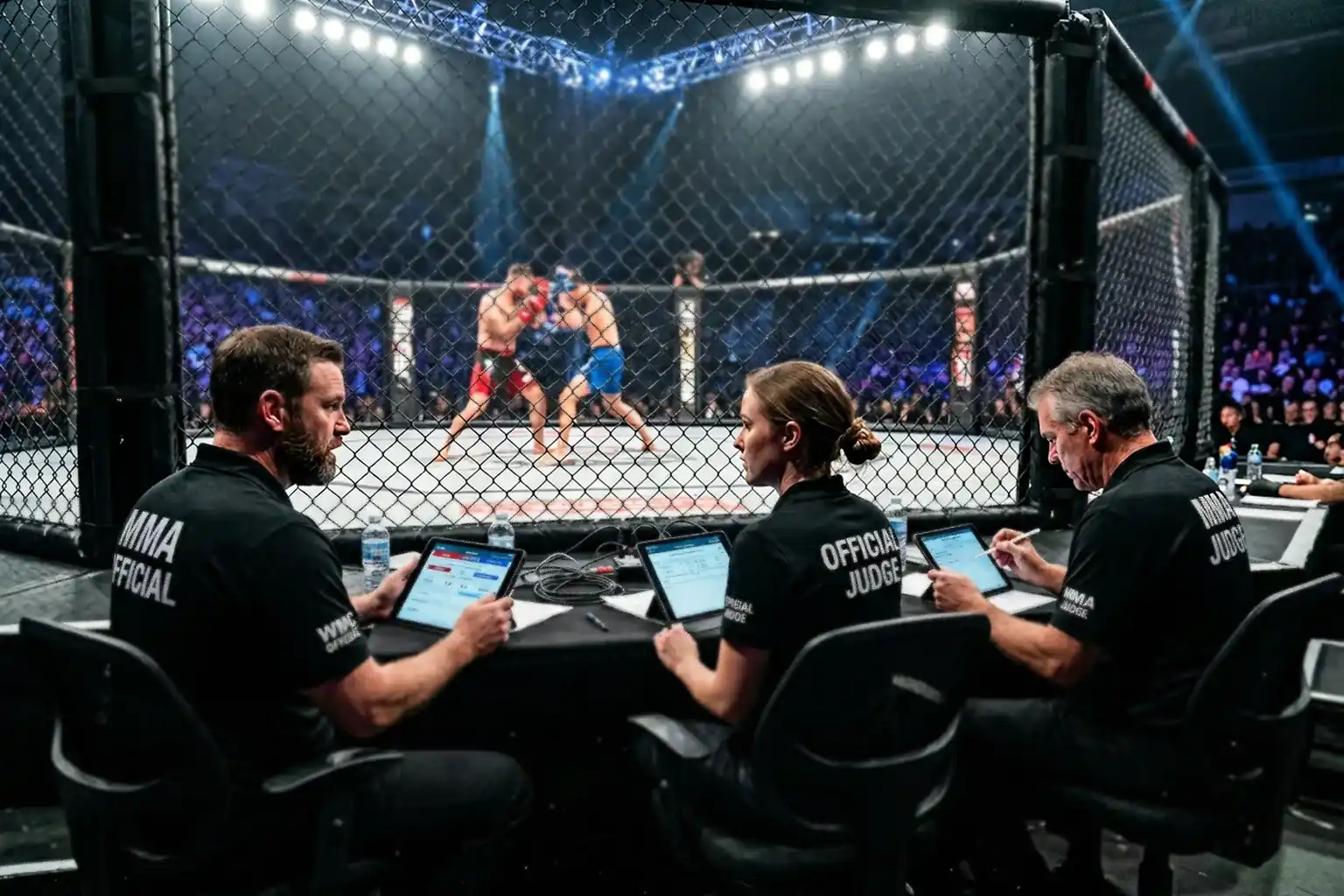
Nobody watches a UFC fight hoping for a draw. Fans want a definitive winner, fighters want their hand raised, and bookmakers price the draw market as an afterthought — which is exactly what makes it such a curious corner of UFC betting.
Draws in the UFC are genuinely rare. So rare, in fact, that most bettors have never seriously considered wagering on one. But rare does not mean impossible, and the odds offered on draws reflect their scarcity with prices that would make any value-oriented punter at least pause and think.
How a UFC Fight Ends in a Draw
A draw can only occur when a UFC fight goes the full distance to the judges’ scorecards and the three judges cannot produce a majority for either fighter. Since UFC uses the 10-point must system — the same framework used in professional boxing — each round is scored 10-9 in favour of the round winner, with 10-8 rounds awarded for particularly dominant performances. A draw happens when the combined scorecards balance out.
The most straightforward scenario is a split draw. Two judges score the fight for different fighters, and the third scores it even. Fighter A wins 29-28 on one card, Fighter B wins 29-28 on another, and the third judge has it 28-28. The result: a split draw. Neither fighter gets the win, and the bout is officially recorded as a draw on both records.
A majority draw occurs when two judges score the fight even and the third gives it to one fighter. So two cards read 28-28, while one reads 29-28 for Fighter A. Despite one judge having a winner, the majority rules, and the fight is declared a draw. This outcome is even rarer than the split draw but does occur.
A unanimous draw — all three judges scoring the fight even — is the rarest of all. For this to happen in a standard three-round fight, each judge would need to score one round for each fighter and have one round dead even, or all three rounds scored identically even. In practice, unanimous draws are vanishingly uncommon because scoring three rounds without any judge seeing a difference between the fighters across any of them is extraordinarily unlikely.
Technical draws can also occur under specific circumstances, such as an accidental headbutt causing a cut that stops the fight before enough rounds have been completed for the judges to render a decision. These are procedural outcomes rather than competitive ones, and they sit outside the normal draw-betting framework.
Types of Draws and What Triggers Them
Understanding what makes a draw likely — or at least less unlikely — is the analytical challenge. Draws are not truly random events. They are the product of specific fight dynamics that create even scoring conditions.
The most common trigger is a fight with clear round-by-round swings. If Fighter A dominates round one, Fighter B dominates round two, and round three is extremely close, the ingredients for a draw are present. Each judge may see the close round differently, producing the scoring split that leads to a draw. Contrast this with a fight where one fighter gradually pulls away — in that scenario, a draw is essentially impossible because the accumulation of rounds makes the margin too wide.
Style matchups that produce alternating advantages also increase draw potential. A striker who wins the standup exchanges against a wrestler who dominates on the ground can create a fight where rounds are clearly split depending on who controlled the position. If the fight stays standing, the striker wins the round. If it goes to the mat, the wrestler wins. When both fighters execute their gameplan effectively in different rounds, the scorecards can end up balanced.
Five-round fights have a mathematically lower draw probability than three-round fights because the odd number of rounds makes it harder for scorecards to balance out. In a three-round fight, a 28-28 scorecard requires one round scored even — difficult but possible. In a five-round fight, a 47-47 scorecard requires at least one 10-8 round to offset an extra round won by the other fighter, or multiple even rounds. The additional complexity reduces the already slim probability further.
How Often Do Draws Actually Happen?
The historical frequency of draws in the UFC sits somewhere between 1% and 2% of all fights that go to a decision. When you include fights that end in finishes — which by definition cannot produce a draw — the percentage of all UFC bouts ending in a draw drops well below 1%.
Favourites win approximately 65% of UFC fights overall, underdogs win roughly 35%, and draws account for the remaining sliver. Across a typical year of UFC events — 180 to 200 cards with an average of twelve fights per card — you might see five to ten draws total. Some years produce fewer. The absolute rarity is the defining characteristic of this market.
That rarity shapes the odds dramatically. UK bookmakers typically price the draw on a UFC fight somewhere between 30/1 and 80/1, with the exact price depending on the perceived closeness of the matchup and the number of scheduled rounds. A fight between two evenly matched fighters in a three-round bout might see the draw priced at 30/1 or 35/1. A five-round championship fight between a clear favourite and a significant underdog might have the draw at 60/1 or higher.
Is Draw Betting Actually Worth It?
Here is the honest answer: for most bettors, most of the time, no. The draw market in UFC is not a consistent source of value, and treating it as one will drain your bankroll faster than almost any other approach.
The mathematics are seductive. A one-pound bet at 40/1 returns forty-one pounds. The payout is spectacular relative to the stake. But the hit rate is punishing. If draws occur in roughly 1% of fights, you need the draw to be priced at 99/1 or better just to break even over a large sample. At 40/1, you are paying a substantial premium for the option, and the bookmaker’s margin on low-probability outcomes like draws tends to be wider than on more common markets.
UFC odds in the -400 to -900 range show accuracy rates of 88–93% historically. The moneyline market is efficient, and the draw sits outside that efficiency zone precisely because so few bettors engage with it seriously. Less market participation means less price discovery, which means the odds are more likely to reflect the bookmaker’s desired margin than a competitively priced probability.
That said, there are narrow circumstances where a draw bet carries a defensible edge. When two genuinely evenly matched fighters meet in a three-round bout, both have histories of close decisions, and neither possesses a clear path to domination, the true probability of a draw may be slightly higher than the implied probability embedded in the odds. If you see a draw priced at 35/1 in a fight where your honest assessment puts the draw probability at 4% or higher, there is a mathematical argument for a very small stake.
The key word there is “very small.” Draw bets should never represent a meaningful portion of your bankroll. Think of them as lottery tickets — occasional, minimal-stake wagers placed only when the specific conditions justify them. For UK punters looking for higher-value markets that offer better long-term returns, the full range of available UFC bet types includes several markets with more consistent edges than the draw.
How often do draws happen in UFC fights?
Draws occur in roughly 1% to 2% of UFC fights that go to a decision, and well under 1% of all UFC bouts when finishes are included. Across a typical year of events, you might see between five and ten draws total. The rarity is reflected in the long odds bookmakers offer on this outcome, typically ranging from 30/1 to 80/1 depending on how closely matched the fighters are and whether the bout is scheduled for three or five rounds.
What odds do UK bookmakers typically give for a UFC draw?
UK bookmakers generally price the draw on a UFC fight between 30/1 and 80/1. Closely matched fighters in a three-round bout tend to sit at the shorter end of that range, around 30/1 to 40/1, while lopsided matchups or five-round championship fights tend to be priced at 50/1 to 80/1 or higher. The wide range reflects the difficulty of producing a drawn scorecard, and the bookmaker’s margin on these low-probability outcomes is typically larger than on the moneyline or method of victory markets.
Written by the editors at ufc Fighter Betting.